Electric Dental Chairs Explained: Motors, Controls & Positioning Systems
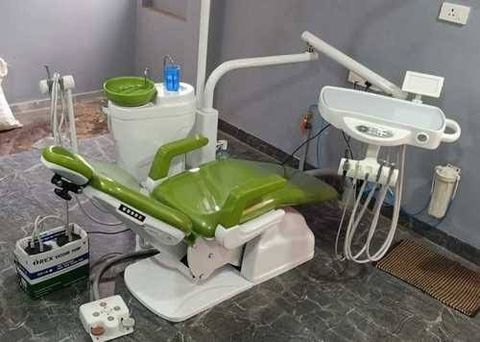
Electric dental chairs are powered clinical seating systems designed to position patients during dental examinations and procedures. They use electric motors and mechanical components to adjust the seat height, backrest angle, and other positioning elements according to the chair's design.
Unlike manually adjusted chairs, electric models allow dental professionals to change patient positions through switches, foot controls, or electronic control panels. Some systems also include programmable positions, coordinated movements, operating lights, and integrated instrument controls.
Electric dental chairs are commonly used in general dentistry, restorative procedures, orthodontic examinations, endodontic treatment, and other clinical settings. Their suitability depends on the required positioning range, patient needs, equipment configuration, and clinical workflow.
Understanding their motors, controls, and positioning systems helps explain how these chairs operate and why installation, ergonomic planning, safety checks, and preventive maintenance are important.
What Is an Electric Dental Chair?
An electric dental chair is a patient-support system that uses electrical power to operate one or more positioning mechanisms. An electric motor converts electrical energy into mechanical movement, allowing the chair to raise, lower, recline, or return to selected positions.
The chair may operate as a standalone unit or form part of an integrated dental treatment system. An integrated system can include an operating light, instrument delivery arm, dental handpiece connections, suction controls, and water delivery components.
Common parts include:
Patient seat and backrest
Adjustable headrest
Armrests
Electric lifting motor or actuator
Backrest positioning mechanism
Control switches or electronic panel
Foot control, where fitted
Chair base and supporting frame
Position sensors or limit switches, depending on the design
Safety mechanisms and movement-interruption controls
Not every electric dental chair includes all these features. The exact arrangement depends on the manufacturer's design and the intended clinical application.
How Electric Dental Chairs Work
An electric dental chair typically combines an electrical control system, one or more motors, a mechanical transmission, and a supporting structure.
When an operator activates a permitted movement, the control system sends a signal to the relevant motor or actuator. The motor then drives a mechanical mechanism that changes the chair's position.
A simplified operating sequence includes the following stages.
1. Control Input
The operator selects a movement using a switch, foot control, or control panel.
The input indicates the requested action, such as raising the chair or reclining the backrest.
2. Control Signal Processing
The chair's control electronics interpret the input and determine whether the requested movement is permitted.
Depending on the design, the system may check limit switches, position information, interlocks, or other safety conditions.
3. Motor Activation
The relevant motor receives electrical power and begins operating.
Some chairs use separate motors for different movements, while others use a different actuator arrangement.
4. Mechanical Movement
The motor drives a mechanism such as a screw actuator, gearbox, linkage, or another transmission system.
This converts rotational or linear motor movement into controlled chair adjustment.
5. Position Control
The system stops the motor when the operator releases the control or when the intended movement reaches a defined limit. More advanced systems may use position feedback to coordinate movement.
The behaviour of the chair depends on its control architecture and safety features.
Electric Motors Used in Dental Chairs
Motors are central to the operation of powered dental chairs. They provide the force required to move the patient-support structure while maintaining controlled positioning.
1. DC Motors
Direct-current (DC) motors operate using direct electrical current. Depending on the design, they can provide the torque and speed required for chair adjustment.
Some DC motor systems use gearing to increase available torque and control output speed.
Relevant characteristics include:
Operating voltage
Torque output
Rotational speed
Duty cycle
Heat generation
Electrical protection
Maintenance requirements
The suitability of a DC motor depends on the load, movement range, and design of the chair mechanism.
2. Geared Motors
A geared motor combines a motor with a gearbox. The gearbox changes the relationship between rotational speed and torque.
Dental chair movements often require controlled motion under load rather than high rotational speed. A suitable gear arrangement can help provide the mechanical output needed for lifting or reclining.
Gear wear, lubrication requirements, alignment, and load limits depend on the mechanism used.
3. Linear Actuators
A linear actuator produces movement along a straight path. In an electric dental chair, it may extend or retract to raise the seat or change the backrest angle.
Electric linear actuators commonly contain a motor, transmission components, and a moving rod or similar mechanism.
Depending on the design, they may include limit switches or position feedback.
4. AC Motors and Other Motor Designs
Some equipment may use alternating-current motors or other specialised motor arrangements. The actual motor technology depends on the chair's power system and mechanical design.
Motor type alone does not determine chair performance. The actuator, gearbox, control electronics, structural design, and safety systems also influence how the chair moves.
Dental Chair Positioning Systems
Positioning systems translate motor output into useful movement of the patient-support structure. Different movements serve different clinical and ergonomic purposes.
1. Seat Height Adjustment
Seat height adjustment raises or lowers the patient.
This movement helps the dental team position the patient's mouth at a suitable working height and provides space for patient entry and exit.
The available range should accommodate the intended patient population and the clinician's working arrangement.
2. Backrest Adjustment
The backrest changes the angle of the patient's torso.
A more upright position may be useful for initial discussions or selected examinations, while a reclined position may provide better access for many dental procedures.
The appropriate angle depends on the treatment, patient comfort, and relevant clinical considerations.
3. Headrest Adjustment
The headrest supports the patient's head and helps position the oral cavity.
Depending on the design, it may be adjusted manually or through a separate mechanism. Common adjustments include height, tilt, and extension.
Headrest movement should be carried out carefully, particularly when a patient has restricted neck mobility.
4. Coordinated Seat and Backrest Movement
Some chairs use coordinated movement so that the seat and backrest change position together.
This can help maintain patient support as the chair reclines. The exact movement path varies by design.
Coordinated positioning should not be assumed to work identically across different models.
5. Return-to-Position Functions
Some electric dental chairs include preset positions that can be recalled using a control.
These may include a treatment position, an entry-and-exit position, or a rinse position where supported by the integrated unit.
Preset movements should be monitored to ensure the patient, clinician, and nearby equipment remain clear of moving parts.
Dental Chair Control Systems
The control system allows operators to select movements and manage chair functions. It may include physical switches, electronic circuits, position sensors, and programmed logic.
1. Manual Switch Controls
Basic electric chairs may use dedicated switches for raising, lowering, reclining, or returning the chair.
Each switch is associated with a defined movement. Clear labelling and familiar controls help reduce the likelihood of selecting the wrong function.
2. Foot Controls
Foot controls allow the clinician to operate selected functions without removing their hands from the clinical task.
Depending on the model, they may control chair movement, dental handpieces, or other integrated functions.
Foot controls should be positioned so they can be operated intentionally without creating a trip hazard or causing accidental activation.
3. Touch Panels and Electronic Interfaces
Some dental chairs include an electronic panel or touch interface for movement selection and other functions.
The interface may display chair positions, system status, or selected settings.
Operators should receive appropriate instruction before using advanced controls, especially where a single interface manages several connected components.
4. Programmable Position Controls
Programmable systems can store or recall selected chair positions.
This can reduce repeated adjustment during routine workflows, but the selected position must still be checked for the individual patient and procedure.
Stored positions should be configured according to the manufacturer's instructions.
5. Integrated Dental Unit Controls
An integrated dental unit may coordinate chair positioning with the operating light, instrument delivery system, or other functions.
Integration can reduce the need to use separate controls, although it also increases the importance of understanding the unit's operating instructions and fault indications.
Sensors, Limit Switches, and Position Feedback
Some electric dental chairs use sensors or switches to identify movement limits and monitor selected operating conditions.
Limit Switches
Limit switches indicate when a mechanism reaches a specified position or boundary.
They can help prevent movement beyond the intended range, provided they are correctly installed and functioning.
Position Sensors
Position sensors provide information about the location of a moving component. Depending on the design, the system may use this information to support repeatable positioning or coordinated movement.
Obstruction and Safety Detection
Certain designs may include features intended to interrupt movement when a defined obstruction or unsafe condition is detected.
The availability and operation of such protections vary. Users should not assume that every electric chair can detect every obstruction.
Control-System Feedback
Feedback allows the control system to respond to information about the chair's position or operating state.
A chair with feedback may provide more precise movement control than a simple system based only on operator input and fixed limits. Actual performance depends on the overall design.
Safety devices should never be bypassed or modified without appropriate manufacturer-authorised procedures.
Ergonomics and Patient Positioning
Ergonomics is an important consideration in electric dental chair design because dental professionals often work in sustained positions while performing detailed procedures.
Supporting the Patient
Suitable positioning can help the patient remain stable and comfortable during treatment.
The chair should provide appropriate support for the head, back, arms, and legs. Adjustments should account for patient size, mobility, comfort, and the procedure being performed.
Supporting the Dentist
The dentist's stool height, backrest angle, magnification, and operating light should be coordinated with the chair position.
The aim is to maintain suitable visual access while reducing unnecessary neck flexion, trunk bending, twisting, and reaching.
Supporting the Dental Assistant
The chair and delivery system should allow the assistant to reach instruments and suction equipment without repeatedly moving around obstructions.
A well-planned arrangement can improve coordination between team members.
Avoiding Excessive Reclining
Not every patient tolerates a fully reclined position. Some may experience discomfort or have medical or mobility considerations that affect positioning.
The clinical team should assess the patient and make adjustments appropriate to the situation.
Safety Features in Electric Dental Chairs
Electric dental chairs combine powered movement with a structure that supports a patient. Safe operation therefore depends on the design, correct installation, staff training, and regular maintenance.
Emergency or Movement-Stop Controls
Some systems provide controls that interrupt or stop chair movement.
Operators should know how to stop movement promptly and understand any restrictions associated with the chair's controls.
Movement Limits
Mechanical stops, limit switches, or electronic controls may restrict movement to a specified range.
These protections should be checked according to the manufacturer's maintenance instructions.
Load Capacity
Every chair has a specified maximum patient load. Exceeding that limit may affect stability, actuator performance, or structural safety.
The rated capacity and any relevant operating restrictions should be confirmed before use.
Stable Installation
The chair base must be installed on a suitable supporting surface according to the manufacturer's instructions.
Incorrect installation can affect stability, movement, and the safety of connected utilities.
Electrical Safety
Powered chairs should be installed and maintained in accordance with their electrical specifications and applicable requirements.
Damaged cables, unusual electrical behaviour, or recurring control faults should be assessed by qualified personnel.
Safe Patient Transfer
The chair should be positioned appropriately for patient entry and exit. Armrests, nearby equipment, and movement controls should be managed to reduce the risk of accidental movement or falls.
Patients who need additional assistance should be supported according to the clinic's transfer procedures.
Electric Dental Chairs Compared with Hydraulic and Manual Chairs
The main differences concern how movement is generated and controlled.
| Feature | Electric dental chair | Hydraulic dental chair | Manual dental chair |
|---|---|---|---|
| Movement mechanism | Electric motors or actuators | Hydraulic mechanism, depending on design | Manual or mechanical adjustment |
| Control method | Switches, foot controls, or electronic panels | Controls operating the hydraulic system | Levers or manual mechanisms |
| Positioning | May include powered and preset positions | Depends on hydraulic and mechanical configuration | Usually fewer powered adjustments |
| Electrical dependency | Required for powered movements | Depends on the specific design | Often limited for basic movement |
| Maintenance focus | Motors, actuators, controls, electrical components | Hydraulic components and associated mechanisms | Mechanical joints and adjustment components |
| Workflow integration | May integrate with other dental unit functions | Varies by configuration | Often more limited |
These categories are not absolute. Some chairs combine different mechanisms, and the features available depend on the specific model.
Installation and Utility Requirements
Electric dental chair installation should be planned as part of the complete dental treatment room.
Electrical Supply
The chair's electrical requirements may include specified voltage, frequency, grounding, and circuit protection.
Installation should follow the manufacturer's documentation and applicable electrical requirements. Qualified personnel should complete electrical work.
Compressed Air, Water, and Suction
An integrated dental unit may require connections for compressed air, water, drainage, and suction.
These utilities are not necessarily part of the chair's powered movement system, but they can be essential to the operation of the complete dental unit.
Space and Clearance
The room should provide adequate clearance for chair movement, clinician stools, patient transfers, instrument delivery, and assistant access.
The full movement range should be considered when arranging nearby cabinets and equipment.
Integration with Other Equipment
The chair may need to work alongside an operating light, dental delivery unit, imaging equipment, or digital systems.
Compatibility should be verified before installation. Electrical and data connections should not be improvised.
Maintenance and Troubleshooting
Preventive maintenance helps keep the chair's movement, controls, and support structure in suitable working condition.
Chair Does Not Move
Possible causes include a power issue, control fault, activated limit condition, or mechanical problem.
Recommended response: Stop using the chair if movement is unreliable. Check only the basic items permitted by the user manual and contact qualified technical support if the fault persists.
Movement Is Slow or Uneven
Slow or uneven movement may be associated with an actuator problem, excessive load, mechanical wear, or a control fault.
Recommended response: Do not force the movement or repeatedly operate the chair in an attempt to overcome the problem. Arrange an inspection according to the manufacturer's instructions.
Preset Positions Do Not Work
A preset function may be unavailable because of a control setting, position sensor issue, or other fault.
Recommended response: Consult the user manual and use only approved reset or troubleshooting procedures. Do not alter internal control settings without authorisation.
Unusual Noise
Grinding, clicking, or other unexpected sounds may indicate a mechanical or actuator issue.
Recommended response: Stop operation if the sound is accompanied by jerky movement, instability, or another safety concern. Arrange a qualified inspection.
Preventive Maintenance Checklist
A maintenance programme may include:
Inspecting the chair frame, base, and upholstery.
Checking the operation of approved movement controls.
Reviewing cables and accessible electrical connections.
Testing safety features according to the manufacturer's instructions.
Checking for unusual noise, movement, or vibration.
Confirming that the chair remains stable during normal operation.
Recording faults, inspections, and repairs.
Scheduling qualified maintenance at the required intervals.
Maintenance frequency should follow the manufacturer's instructions and the clinic's equipment-management programme.
Infection Prevention and Cleaning
The powered mechanism does not change the need to clean and disinfect patient-contact and frequently touched surfaces.
Chair Upholstery
Seat cushions, backrests, headrests, and armrests should be cleaned using products compatible with the chair materials.
Damaged upholstery should be assessed because cracks and tears may make effective cleaning more difficult.
Controls and Adjustment Surfaces
Switches, control panels, handles, and foot controls may be touched during clinical procedures. The clinic should determine appropriate cleaning and disinfection methods for each surface.
Protective Barriers
Suitable barriers may be used on selected frequently touched surfaces. Barriers should be changed between patients, and the underlying surface should be managed according to the clinic's infection-control protocol.
Waterlines and Suction
Waterlines and suction components associated with an integrated dental unit require their own maintenance and infection-prevention procedures. These should follow the manufacturer's instructions and applicable clinical guidance.
Cleaning products should not be applied to electrical components in ways that may damage the system or create an electrical hazard.
Regulations and Standards Relevant to India
Electric dental chairs and integrated dental units may be subject to technical, medical-device, electrical-safety, and facility requirements. The exact obligations depend on the equipment classification, intended use, installation, and current regulations.
Medical Device Requirements
India's medical-device regulatory framework includes the Medical Devices Rules, 2017, under the Drugs and Cosmetics Act, 1940, as amended and applicable.
The relevant classification and compliance requirements should be confirmed for the specific device. Current official information is available from the Central Drugs Standard Control Organisation (CDSCO).
Bureau of Indian Standards
The Bureau of Indian Standards publishes technical standards covering various products and equipment categories. Whether a specific standard or certification is mandatory depends on the applicable provisions.
Refer to the Bureau of Indian Standards for current information.
Electrical Installation and Workplace Safety
Powered dental equipment should be installed and maintained in accordance with the manufacturer's technical documentation and applicable electrical and workplace safety requirements.
Clinics should also establish staff training, equipment inspection, and fault-reporting procedures.
Regulatory requirements may change. Facilities should confirm current obligations through official sources and qualified professionals before purchasing, installing, or operating equipment.
Emerging Trends in Electric Dental Chair Technology
More Precise Positioning
Improvements in actuators and control systems may support smoother movement and more repeatable positioning. Actual precision depends on the chair's design and maintenance.
Integrated User Interfaces
Some systems coordinate chair movement, light controls, and selected instrument functions through a shared interface.
Clear control layouts and appropriate training remain important as systems become more integrated.
Improved Patient Accessibility
Adjustable positioning, suitable armrest designs, and wider seating options can help clinics accommodate a broader range of patients.
Accessibility should be considered during both equipment selection and treatment-room planning.
Connected Equipment Monitoring
Some dental equipment supports digital monitoring of system status or maintenance requirements. Connected features vary by manufacturer and may require specific software or network arrangements.
Clinics should evaluate cybersecurity, data access, and software support before enabling network connections.
Durable and Cleanable Materials
Upholstery and surface designs continue to be important areas of equipment development. Materials must withstand the cleaning methods used in clinical environments without losing their integrity.
Frequently Asked Questions
1. How does an electric dental chair work?
An electric dental chair uses motors or actuators controlled by switches, foot controls, or an electronic interface. The motor drives a mechanical system that raises, lowers, or reclines the chair within its designed range.
2. Which motors are used in electric dental chairs?
Depending on the design, chairs may use DC motors, geared motors, linear actuators, or other motor arrangements. The motor and actuator system must provide suitable force and controlled movement for the chair.
3. What is the purpose of a dental chair control system?
The control system receives operator inputs and manages permitted chair movements. Depending on the model, it may also use limit switches, position sensors, programmed positions, or safety interlocks.
4. What are preset positions?
Preset positions allow selected chair configurations to be recalled through a control. They can simplify repeated adjustments, but operators must still confirm that the position is appropriate for the patient and procedure.
5. Are electric dental chairs safer than manual chairs?
Safety depends on the complete design, correct installation, maintenance, rated capacity, and operator training. Electric chairs can provide convenient controlled movement, but powered movement also requires appropriate safety procedures.
6. How often should an electric dental chair be inspected?
Inspection and maintenance intervals depend on the manufacturer's instructions, usage, and applicable requirements. Clinics should maintain a documented schedule and arrange qualified technical inspections as required.
7. Can an electric dental chair operate without electricity?
Powered movements generally require the specified electrical supply. Whether a chair offers any manual release or alternative positioning method depends on its design and manufacturer instructions.
8. What should a clinic consider when selecting an electric dental chair?
Important factors include positioning range, patient capacity, control layout, ergonomics, safety features, cleaning requirements, room dimensions, utility connections, maintenance support, and compatibility with other dental equipment.
Conclusion
Electric dental chairs combine motors, actuators, mechanical positioning systems, and control electronics to support patient positioning during dental procedures. Depending on the model, they may provide powered seat-height adjustment, backrest movement, programmable positions, and integration with other dental equipment.
Their effectiveness depends on more than motor performance. Ergonomic planning, patient accessibility, reliable controls, suitable installation, infection prevention, and preventive maintenance all contribute to safe operation.
Understanding the chair's movement mechanisms and control features helps dental professionals and clinic planners evaluate equipment according to their clinical needs. As positioning systems and digital controls develop, clear operating procedures and appropriate staff training will remain essential.
Disclaimer
This article is intended solely for general educational and informational purposes. It does not promote any particular dental chair brand, manufacturer, clinic, or commercial offering. Equipment specifications, technical standards, and regulatory requirements may change. Readers should verify current information through official authorities, manufacturer documentation, and qualified dental or technical professionals before making equipment, installation, or compliance decisions.

Related Post...
Modern Delivery Beds Explained: Design, Safety Features, and Hospital Applications
Updated: July 30, 2026
Read More
Dental Implants Explained: Procedure, Types, Benefits, Recovery & Oral Health Guide
Updated: July 23, 2026
Read More