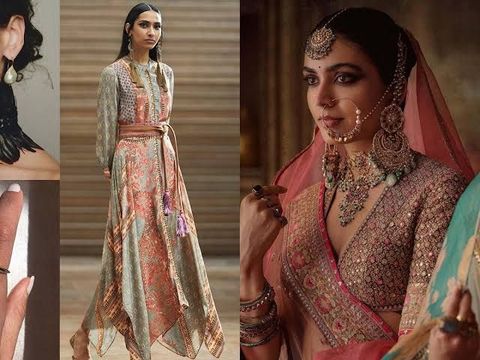
Women's Designer Clothing Websites Explained: Fashion Platforms, Design Trends, Collections & Digital Shopping Insights
The fashion industry has changed significantly with the growth of digital platforms. Women's designer clothing websites have become important destinations for exploring fashion collections, understanding design trends, discovering clothing styles, and learning about emerging designers. These platforms combine fashion presentation, digital technology, product information, and visual storytelling to create an online fashion experience.
Unlike traditional fashion catalogues, modern clothing websites often include detailed photographs, collection descriptions, size information, fabric details, styling suggestions, and editorial content. Some platforms focus on luxury fashion, while others highlight contemporary designs, independent labels, traditional clothing, or everyday fashion.
Understanding how these websites operate provides useful insights into digital fashion, changing consumer preferences, clothing design, and the relationship between technology and the fashion industry.
What Are Women's Designer Clothing Websites?
Women's designer clothing websites are digital platforms that present clothing collections created by fashion designers, established labels, independent studios, or fashion-focused businesses.
They may feature several categories, including:
Designer dresses and gowns
Ethnic and traditional clothing
Contemporary western wear
Formal and occasion wear
Casual and everyday clothing
Sustainable fashion collections
Accessories and coordinated outfits
Seasonal and limited-edition designs
These websites may operate as digital catalogues, fashion marketplaces, designer portfolios, or online retail platforms. Their main purpose is to present clothing designs and provide information about styles, materials, collections, and fashion trends.
How Digital Fashion Platforms Work
A designer clothing website generally combines several technical and creative elements. The platform presents visual content, organizes collections, provides product information, and allows visitors to explore different fashion categories.
1. Website Design and Navigation
Website design determines how visitors interact with a fashion platform. A well-organized layout makes it easier to explore collections and understand the website's structure.
Common navigation elements include:
Main navigation menus
Clothing category pages
Collection galleries
Designer information sections
Search and filtering tools
Size and fabric information
Editorial and fashion guides
Simple navigation is particularly important for websites featuring large clothing collections.
2. Digital Clothing Catalogues
Digital catalogues organize clothing designs into structured categories. Each clothing entry may include photographs, descriptions, available sizes, fabric details, colours, and design characteristics.
Some platforms also provide additional information about the inspiration behind a collection or the techniques used to create particular garments.
3. Visual Presentation
Fashion is highly visual, so photography and presentation play an important role in digital clothing platforms.
Common visual formats include:
Studio photography
Model photography
Detail photographs
Fabric close-ups
Outfit combinations
Editorial fashion photography
Short fashion videos
Consistent image quality and presentation help visitors understand the appearance and construction of different garments.
Major Categories of Women's Designer Clothing
Women's designer clothing covers a broad range of styles. Different categories reflect cultural influences, occasions, personal preferences, and changes in fashion.
1. Ethnic and Traditional Clothing
Ethnic clothing includes designs influenced by regional traditions, cultural practices, and traditional textile techniques.
Common examples include:
Sarees
Lehengas
Salwar suits
Anarkali outfits
Sharara sets
Traditional embroidered garments
Regional handloom clothing
Indian designer clothing platforms frequently highlight embroidery, weaving, regional fabrics, traditional patterns, and contemporary interpretations of ethnic designs.
2. Western and Contemporary Clothing
Western and contemporary clothing includes modern silhouettes and designs influenced by international fashion trends.
Examples include:
Dresses
Tops and shirts
Trousers
Skirts
Blazers
Jumpsuits
Co-ord sets
Contemporary evening wear
These collections may focus on minimal designs, structured tailoring, experimental shapes, or seasonal colour combinations.
3. Luxury and Occasion Wear
Luxury and occasion wear generally emphasizes detailed craftsmanship, distinctive fabrics, specialized construction, and elaborate finishing.
Common categories include:
Bridal clothing
Evening gowns
Reception outfits
Formal dresses
Festive collections
Statement garments
Such collections often showcase embroidery, beadwork, embellishments, hand-finishing, and detailed garment construction.
4. Casual and Everyday Designer Clothing
Everyday designer clothing combines comfort, practicality, and visual appeal.
Examples include:
Cotton dresses
Casual shirts
Tunics
Comfortable trousers
Everyday ethnic wear
Lightweight jackets
Relaxed co-ord sets
This category reflects the growing interest in versatile clothing that can be worn across different everyday settings.
5. Sustainable and Responsible Fashion
Sustainable fashion focuses on reducing the environmental impact of clothing production and consumption.
Some designer platforms highlight:
Organic or responsibly sourced fabrics
Recycled textiles
Natural dyes
Traditional handloom techniques
Low-waste garment construction
Durable clothing designs
Transparent production information
The meaning of sustainability can vary between brands, so material details and production information are useful when evaluating such claims.
Important Features of Designer Clothing Websites
Modern fashion platforms use different features to organize collections and improve digital browsing.
| Website Feature | Purpose |
|---|---|
| Collection galleries | Present clothing designs visually |
| Category filters | Organize different clothing styles |
| Size information | Explain garment measurements |
| Fabric descriptions | Identify material characteristics |
| Search functionality | Help locate specific categories |
| Editorial content | Explain trends and design inspiration |
| Responsive layout | Support different screen sizes |
| Image galleries | Display clothing details |
| Designer profiles | Introduce designers and their creative approach |
Size Guides and Measurement Information
Size guides help explain garment measurements and sizing systems. Different designers may use different measurement standards, so a clear guide can help visitors understand the intended fit.
Common measurements include:
Bust
Waist
Hip
Shoulder width
Sleeve length
Garment length
Inseam
Accurate measurement information is particularly relevant for fitted garments, formal clothing, and tailored designs.
Fabric and Material Descriptions
Fabric information helps explain the appearance, texture, weight, and general characteristics of clothing.
Common materials include cotton, silk, linen, wool, chiffon, georgette, velvet, denim, and synthetic blends.
A detailed fabric description may also explain:
Weaving technique
Fabric weight
Texture
Breathability
Stretch characteristics
Care requirements
Embellishment details
Current Women's Fashion and Design Trends
Fashion trends change with cultural influences, textile developments, designer creativity, and changing lifestyle preferences. Digital fashion platforms help present these developments through seasonal collections and editorial content.
1. Minimalist Fashion
Minimalist fashion emphasizes simple silhouettes, balanced proportions, limited embellishments, and coordinated colours.
Common characteristics include:
Neutral colour palettes
Clean lines
Simple patterns
Structured garments
Versatile clothing combinations
Minimalist designs are often associated with understated and practical styling.
2. Traditional Designs with Contemporary Details
Many designers combine traditional craftsmanship with modern silhouettes. This approach allows cultural design elements to appear in contemporary clothing.
Examples include traditional embroidery on modern dresses, handloom fabrics in contemporary outfits, and regional motifs incorporated into modern jackets.
3. Co-Ordinated Clothing
Co-ord sets consist of coordinated garments designed to be worn together. They may include matching tops and trousers, shirts and skirts, or coordinated ethnic separates.
These outfits provide a consistent visual appearance while allowing individual pieces to be styled separately.
4. Oversized and Relaxed Silhouettes
Relaxed silhouettes have become a recognizable part of contemporary fashion.
Examples include oversized shirts, wide-leg trousers, relaxed jackets, loose dresses, and comfortable outerwear.
These designs emphasize movement, ease, and different approaches to garment proportions.
5. Heritage Textiles and Craftsmanship
Traditional textiles continue to influence designer clothing. Handloom weaving, regional embroidery, block printing, and traditional dyeing techniques contribute to the visual identity of many collections.
Digital platforms can explain the background of these techniques and help audiences understand the cultural significance of textile craftsmanship.
Technology Behind Online Fashion Websites
Technology plays an important role in the development and operation of digital fashion platforms. It supports website performance, content organization, visual presentation, and visitor interaction.
Content Management Systems
A content management system helps website administrators organize and update digital content without manually editing every webpage.
Fashion websites may use content management systems to manage:
Clothing descriptions
Collection pages
Designer profiles
Fashion articles
Image galleries
Category information
Artificial Intelligence in Fashion
Artificial intelligence is increasingly being explored in digital fashion platforms.
Potential applications include:
Personalized fashion recommendations
Automated image categorization
Search assistance
Fashion trend analysis
Clothing attribute recognition
Customer preference analysis
AI-generated recommendations depend on available information and should not be treated as guaranteed representations of personal style or garment fit.
Augmented Reality and Virtual Fitting
Augmented reality can combine digital clothing representations with a live camera view or digital model.
Some fashion platforms experiment with virtual fitting features to help visitors understand how clothing might appear in different settings.
However, digital representations may not accurately reproduce fabric movement, exact colour, garment texture, or real-world fit.
Mobile-Responsive Technology
Many visitors explore fashion websites through smartphones and tablets. Responsive design allows webpages to adjust to different screen sizes.
Important elements include readable text, appropriately sized images, accessible navigation, and efficient loading.
Understanding Fashion Photography and Digital Presentation
Photography is central to the way designer clothing is presented online. Images communicate garment structure, colours, fabric appearance, and styling details.
Types of Fashion Photography
Editorial photography: Uses creative concepts, locations, lighting, and styling to communicate a fashion theme.
Studio photography: Presents garments in a controlled environment with consistent backgrounds and lighting.
Product-detail photography: Highlights stitching, embroidery, fabric texture, buttons, patterns, and other construction details.
Lifestyle photography: Shows clothing in everyday or occasion-based settings.
Runway photography: Documents garments presented during fashion shows and designer events.
A combination of these formats can provide a more complete understanding of a clothing collection.
Factors to Understand When Exploring Designer Clothing Platforms
Digital fashion platforms can differ significantly in their presentation, collection structure, and information quality. The following factors help explain their characteristics.
Collection Transparency
Useful platforms provide clear information about designers, materials, garment construction, and collection inspiration.
Accurate Visual Information
Photographs should represent clothing as accurately as possible. Lighting, editing, and screen settings can influence how colours appear.
Clear Sizing Information
Measurement charts should explain the sizing system and provide relevant garment measurements.
Fabric and Care Details
Fabric composition and care instructions help explain how a garment should be maintained.
Website Accessibility
Accessible website design includes readable typography, clear navigation, descriptive image text, and compatibility with assistive technologies.
Data and Privacy Information
Digital platforms may collect information through accounts, analytics, cookies, and other technologies. Visitors should understand the website's privacy policy and available data controls.
Digital Fashion Platforms and the Indian Fashion Industry
India has a diverse clothing and textile heritage. Regional weaving traditions, embroidery techniques, handloom production, and contemporary design contribute to the country's fashion landscape.
Digital platforms provide a way to present this diversity to wider audiences.
Regional Textile Traditions
Indian textiles include several distinctive traditions, such as:
Banarasi silk weaving
Kanchipuram silk
Chikankari embroidery
Bandhani tie-dye
Kalamkari textile art
Patola weaving
Ajrakh printing
Phulkari embroidery
These traditions differ in their materials, techniques, regional histories, and visual patterns.
Contemporary Indian Designer Fashion
Contemporary Indian fashion frequently combines traditional textiles with modern garment structures.
Designers may reinterpret regional patterns, use traditional embroidery in western silhouettes, or combine handloom materials with contemporary tailoring.
Digital Access to Fashion Information
Online platforms can help audiences learn about regional craftsmanship, designer collections, textile history, and changing fashion preferences.
They also provide digital visibility to independent designers and smaller fashion studios.
Recent Developments in Digital Fashion
Digital fashion continues to evolve through improvements in artificial intelligence, mobile technology, image processing, and online content presentation.
Important areas of development include:
AI-assisted fashion discovery and image classification
Virtual fitting and augmented reality experiments
Digital fashion shows and collection presentations
Improved mobile browsing experiences
Greater attention to textile traceability
Digital storytelling about traditional craftsmanship
Data-driven analysis of fashion preferences
These developments are not equally available across all platforms. Their implementation depends on technical capabilities, platform design, and the information provided by participating designers.
Laws, Policies, and Consumer Awareness in India
Digital fashion platforms operating in India may be subject to different legal and regulatory requirements depending on their business structure and activities.
Consumer Protection Framework
The Consumer Protection Act, 2019 provides a framework for consumer rights and protection in India. The Consumer Protection (E-Commerce) Rules, 2020 establish requirements relevant to covered e-commerce activities.
These frameworks address matters such as transparent information, misleading representations, and consumer grievance mechanisms.
Data Protection and Privacy
India's Digital Personal Data Protection Act, 2023 establishes a framework for processing digital personal data. Applicable obligations depend on the law's commencement provisions and relevant rules.
Visitors should review privacy notices to understand how personal information may be collected, used, and processed.
Intellectual Property
Fashion designs, photographs, logos, written content, and other creative materials may involve intellectual property rights.
The Copyright Act, 1957 and Designs Act, 2000 are among the Indian laws relevant to different forms of creative and design protection. The protection available depends on the nature of the work and the applicable legal requirements.
Advertising and Product Information
Fashion-related digital content should avoid misleading descriptions, unsupported claims, and inaccurate representations.
Information about materials, origin, sustainability, and garment characteristics should be presented accurately.
Tools and Resources for Understanding Digital Fashion
Several types of digital resources can help explain fashion trends, garment design, textiles, and website technology.
Fashion trend reports: Provide information about changing colours, silhouettes, materials, and seasonal design directions.
Textile research resources: Explain fabric composition, weaving, dyeing, and textile manufacturing.
Digital design software: Supports garment illustration, pattern development, and visual presentation.
Image editing tools: Help prepare consistent fashion photographs and collection galleries.
Website analytics: Help platform administrators understand website performance and general visitor behaviour.
Accessibility testing tools: Help evaluate whether a website is usable by people with different accessibility needs.
Fashion publications: Provide editorial coverage of designers, collections, fashion events, and industry developments.
Frequently Asked Questions
1. What are women's designer clothing websites?
They are digital platforms that present women's clothing collections, designer profiles, fashion categories, garment information, and design inspiration.
2. What types of clothing are commonly featured?
Common categories include ethnic wear, western clothing, formal outfits, casual garments, bridal collections, occasion wear, and contemporary designer fashion.
3. How do designer clothing websites present their collections?
They generally use image galleries, collection pages, garment descriptions, fabric information, size guides, and editorial photography.
4. What is the difference between ethnic and contemporary designer clothing?
Ethnic designer clothing often draws inspiration from regional traditions, textiles, and cultural techniques. Contemporary designer clothing generally emphasizes modern silhouettes, styling, and current design influences. Some collections combine both approaches.
5. How is artificial intelligence used in digital fashion?
AI can support fashion recommendations, image classification, search assistance, trend analysis, and automated organization of clothing information.
6. What is virtual fitting technology?
Virtual fitting technology uses digital models, augmented reality, or image-processing systems to provide an approximate representation of how clothing may appear. Its accuracy can vary.
7. Why is fabric information important on fashion websites?
Fabric information explains material composition, texture, weight, breathability, and care requirements, helping visitors understand garment characteristics.
8. How do Indian fashion websites represent traditional craftsmanship?
They may feature regional textiles, handloom techniques, embroidery styles, traditional printing methods, and information about the cultural background of different garments.
Conclusion
Women's designer clothing websites represent the connection between fashion design, digital technology, and changing clothing preferences. They provide a structured way to explore collections, understand garment characteristics, learn about textiles, and discover contemporary and traditional fashion influences.
From ethnic clothing and luxury occasion wear to minimalist designs and sustainable textiles, these platforms reflect the diversity of women's fashion. Technologies such as artificial intelligence, responsive website design, and virtual fitting are also influencing how digital fashion content is presented.
Understanding these platforms offers a broader view of the modern fashion industry and the role of digital innovation in presenting clothing, craftsmanship, and design trends.
Disclaimer
This article is intended for general educational and informational purposes only. It does not promote or endorse any particular clothing brand, designer, website, or commercial platform. Fashion trends, product details, technology, and applicable regulations may change over time. Readers should verify current information through relevant official sources.

Related Post...
High-End Apartment Design Guide: Explore Interiors, Floor Plans & Building Facilitie
Updated: November 20, 2026
Read More
Apartment Living Room Design Guide: Explore Layouts, Furniture & Modern Decor Idea
Updated: November 23, 2026
Read More
Luxury Lifestyle Products Explained: Premium Categories, Features, Craftsmanship & Lifestyle Trends
Updated: November 26, 2026
Read More