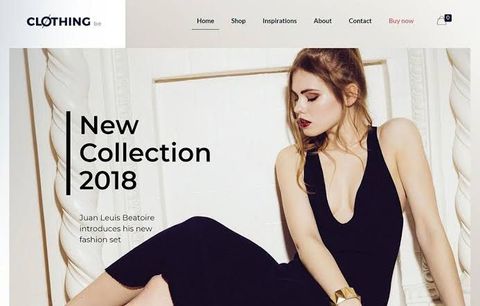
Apparel Websites Explained: Features, Technologies, Design, E-Commerce & Digital Fashion Insights
Apparel websites have become an important part of the modern fashion industry. They provide digital platforms where people can explore clothing collections, understand fabric characteristics, compare styles, discover fashion trends, and learn about different apparel categories. These websites combine visual design, product information, digital technologies, and online commerce features to create an organized fashion browsing experience.
From everyday clothing and sportswear to formal outfits, traditional garments, and luxury fashion, apparel websites cover a wide range of clothing interests. Some platforms focus on presenting fashion collections, while others provide detailed product information, size guides, styling suggestions, and online ordering facilities.
The development of apparel websites reflects broader changes in digital retail, mobile technology, artificial intelligence, and consumer preferences. Understanding their structure and features helps explain how the fashion industry uses digital platforms to connect clothing collections with online audiences.
1. What Are Apparel Websites?
Apparel websites are digital platforms dedicated to clothing, fashion accessories, footwear, and related lifestyle products. They may represent individual fashion brands, clothing retailers, manufacturers, designers, or multi-brand marketplaces.
These websites generally include information about:
Men's, women's, and children's clothing
Casual and formal wear
Sportswear and activewear
Traditional and ethnic clothing
Footwear and fashion accessories
Seasonal fashion collections
Fabric types and garment materials
Clothing sizes and fitting information
Fashion trends and styling ideas
An apparel website can have different purposes. Some focus primarily on fashion information and collection presentation, while others include complete e-commerce facilities for browsing, selecting, and ordering garments.
2. Importance of Apparel Websites in the Fashion Industry
Digital platforms have changed how people discover clothing and understand fashion collections. Apparel websites make fashion information accessible without requiring visitors to depend entirely on physical catalogues or printed promotional material.
Digital fashion discovery
Visitors can explore clothing categories, colors, patterns, materials, and styles through organized digital collections. This makes it easier to understand different fashion choices.
Global audience reach
Websites allow fashion businesses to present their collections to audiences across different regions. Language options, currency information, and regional content can make platforms more accessible.
Product information
Detailed descriptions help visitors understand fabric composition, garment dimensions, care instructions, and design characteristics before making decisions.
Fashion awareness
Fashion websites can publish articles about seasonal styles, clothing traditions, textile innovations, and changing design preferences.
Mobile accessibility
Responsive websites allow visitors to explore fashion content through smartphones, tablets, laptops, and desktop computers.
3. Main Types of Apparel Websites
Apparel websites can be divided into several categories according to their purpose and business model.
| Website Type | Main Purpose |
|---|---|
| Brand websites | Present clothing collections from a particular brand |
| Multi-brand platforms | Display apparel from different brands |
| Fashion marketplaces | Connect multiple sellers and online audiences |
| Designer websites | Showcase designer collections and creative work |
| Sportswear websites | Present athletic clothing and performance apparel |
| Ethnic fashion websites | Focus on traditional and cultural garments |
| Apparel manufacturer websites | Explain production capabilities, fabrics, and garment categories |
| Fashion information websites | Publish clothing guides, trends, and styling information |
Each category has different design requirements and content priorities. For example, a designer website may emphasize visual storytelling, while a manufacturer website may focus on textile specifications and production information.
4. Essential Features of Apparel Websites
A well-organized apparel website combines useful information with simple navigation and attractive visual presentation.
Product catalogues
Digital catalogues organize clothing into categories such as shirts, trousers, dresses, jackets, footwear, and accessories. Visitors can browse collections without navigating through unrelated content.
Search and filtering
Search tools help users locate specific clothing categories. Filters may include:
Clothing category
Size
Color
Fabric
Pattern
Style
Season
Price range, where applicable
Product detail pages
A product detail page provides information about an individual garment. Common elements include product photographs, fabric details, available sizes, color variations, garment measurements, and care instructions.
Size and fitting guides
Size guides explain measurements such as chest, waist, hips, inseam, and shoulder width. They help visitors understand how clothing measurements relate to standard sizing systems.
Shopping cart and checkout
E-commerce apparel websites may include shopping carts, order summaries, payment methods, delivery information, and order confirmation facilities.
Customer accounts
Account features can help users manage profile details, saved addresses, order records, and preferences.
Wishlist functionality
A wishlist allows visitors to save clothing items for later reference.
Customer reviews and ratings
Some platforms display user feedback about fabric quality, garment fitting, appearance, and overall product experience. Review authenticity and moderation are important for maintaining reliable information.
5. Apparel Website Design and User Experience
Website design plays an important role in presenting fashion collections. Clothing is a visual category, so photography, layout, color combinations, and typography can influence how visitors understand a collection.
Visual consistency
A consistent visual identity helps maintain a recognizable website appearance. Typography, spacing, image styles, and color schemes should work together.
High-quality product photography
Clear photographs help visitors examine garment details, including stitching, fabric texture, patterns, colors, and overall shape. Multiple viewing angles can provide a better understanding of a clothing item.
Responsive layouts
Responsive design adjusts website content according to screen size. Navigation menus, product grids, images, and buttons should remain easy to use on mobile devices.
Simple navigation
Clear category labels and predictable navigation structures reduce unnecessary browsing steps. Visitors should be able to move between collections and information pages easily.
Readable product descriptions
Product information should use straightforward language. Important details such as fabric composition, garment measurements, and care instructions should be easy to identify.
Accessibility
Accessible design considers visitors who use assistive technologies or have different visual, motor, or cognitive requirements. Image descriptions, readable text, keyboard navigation, and sufficient color contrast can improve accessibility.
6. Technologies Used in Apparel Websites
Modern apparel websites use several technologies to manage content, display collections, process transactions, and understand website performance.
| Technology | Application |
|---|---|
| HTML | Structures website content |
| CSS | Controls layout, colors, spacing, and typography |
| JavaScript | Supports interactive website features |
| Content Management Systems | Manage pages, articles, and digital content |
| E-commerce platforms | Organize product catalogues and online transactions |
| Cloud hosting | Supports website availability and infrastructure |
| Databases | Store product, account, and order information |
| Analytics tools | Measure website traffic and user interactions |
| Payment gateways | Process supported digital payments |
| Search technologies | Help visitors discover relevant products and information |
These technologies can be combined in different ways depending on website size, functionality, security requirements, and expected traffic.
7. Artificial Intelligence in Digital Fashion
Artificial intelligence is becoming increasingly relevant to apparel websites. It can help organize product information, improve search functions, and support personalized browsing experiences.
AI-powered recommendations
Recommendation systems can suggest clothing categories based on browsing activity, saved preferences, and previous interactions. Their usefulness depends on the quality and relevance of the underlying data.
Visual search
Visual search technology allows users to discover visually similar clothing through an uploaded image or selected photograph. Computer vision systems analyze patterns, shapes, colors, and other visual characteristics.
Virtual fitting technologies
Some platforms use augmented reality and 3D visualization to demonstrate how garments may appear on a digital representation of a person. These systems can improve product understanding, although their results may not perfectly represent real-world garment fitting.
Automated customer assistance
AI-based chat systems can answer common questions about garment measurements, fabric information, website navigation, and order procedures.
Demand forecasting
Fashion businesses may use machine learning to analyze historical information and estimate demand for different clothing categories. These predictions can support inventory planning and collection management.
8. Mobile Commerce and Apparel Websites
Mobile devices have become a major way to access fashion platforms. Mobile commerce, often called m-commerce, refers to commercial activities conducted through smartphones and tablets.
Apparel websites designed for mobile use generally focus on:
Simple navigation menus
Fast-loading product photographs
Readable product descriptions
Mobile-friendly search and filters
Secure payment interfaces
Easy-to-use forms
Clear order information
Responsive product galleries
Progressive Web Apps (PWAs) are another technology used by some digital platforms. They can provide app-like experiences through supported web browsers, including features such as home-screen installation and selected offline capabilities.
9. E-Commerce Operations and Order Management
E-commerce apparel platforms connect several digital processes. These processes help manage product information, customer activity, payments, inventory, and order updates.
A typical online apparel transaction may follow this sequence:
A visitor opens an apparel website.
The visitor explores clothing categories.
Product information and size options are reviewed.
A selected item is added to the shopping cart.
The visitor enters the required order information.
A supported payment method is selected.
The platform processes the transaction.
The order is recorded in the system.
Inventory and order status information are updated.
Delivery and order updates are communicated through available channels.
Behind this process, e-commerce platforms may use inventory management systems, payment integrations, customer databases, warehouse management tools, and order management software.
10. Fabric Information and Product Transparency
Fabric information is an important part of apparel websites because the material affects garment appearance, comfort, durability, and care requirements.
Common textile materials include:
| Fabric | General Characteristics |
|---|---|
| Cotton | Soft, breathable, and widely used in everyday clothing |
| Polyester | Synthetic, durable, and often resistant to wrinkles |
| Linen | Lightweight and known for its textured appearance |
| Wool | Provides insulation and is used in cold-weather garments |
| Silk | Smooth natural fibre with a distinctive appearance |
| Denim | Durable woven fabric commonly used for jeans and jackets |
| Rayon | Regenerated cellulose fibre used in different clothing styles |
| Nylon | Synthetic fibre known for strength and flexibility |
Apparel websites can improve product transparency by explaining fibre composition, fabric weight, garment construction, washing instructions, and relevant certifications.
11. Fashion Trends and Digital Collection Presentation
Fashion trends change with cultural influences, climate, technology, lifestyle preferences, and creative developments. Apparel websites help communicate these changes through collection pages, editorial content, and seasonal guides.
Common fashion categories include:
Minimalist clothing
Sustainable fashion
Streetwear
Athleisure
Contemporary formalwear
Traditional and ethnic clothing
Outdoor and performance apparel
Vintage-inspired fashion
Gender-neutral clothing
Digital collection presentation often combines photographs, descriptions, category navigation, and editorial storytelling. Seasonal collections may be organized around weather conditions, cultural occasions, fashion events, and changing design preferences.
12. Website Security and Data Privacy
Security is essential for apparel websites, especially those that collect personal information or process online payments.
Important security measures include:
HTTPS encryption: HTTPS helps protect information exchanged between a browser and a website.
Secure authentication: Strong authentication practices help protect user accounts from unauthorized access.
Payment security: Payment processing should use trusted payment providers and appropriate security controls.
Data protection: Websites should collect only necessary personal information and explain how it is used.
Regular updates: Website software, plugins, and infrastructure should be updated to address known security weaknesses.
Fraud monitoring: Platforms may use monitoring systems to identify suspicious account activity and unusual transactions.
13. SEO and Digital Visibility for Apparel Websites
Search engine optimization (SEO) helps apparel websites make their pages easier for search engines to understand and discover.
Important SEO practices include:
Descriptive page titles and meta descriptions
Clear category and product names
Original and informative product descriptions
Relevant image alt text
Logical website navigation
Mobile-friendly page design
Fast-loading pages
Structured data where appropriate
Useful fashion guides and educational articles
Proper internal linking
Image optimization is particularly important for apparel websites because product photography can contain large image files. Appropriate image formats, compression, and responsive image delivery can help improve loading performance.
14. Challenges in Managing Apparel Websites
Despite their advantages, apparel websites face several technical and operational challenges.
Size inconsistencies
Clothing sizes can differ between manufacturers, countries, and garment categories. Clear measurement charts can reduce confusion.
Product photography differences
Lighting, camera settings, display calibration, and image editing can cause colors to appear different from the actual garment.
Inventory accuracy
Incorrect inventory information can create confusion when website availability does not match actual stock records.
Website performance
Large image galleries, complicated scripts, and poorly optimized pages can slow down browsing.
Data privacy concerns
Websites that collect account, payment, or browsing information must maintain appropriate privacy and security practices.
Changing fashion preferences
Fashion trends can change quickly, requiring platforms to update collections, descriptions, and editorial content regularly.
15. Sustainability and Digital Fashion
Sustainability has become an important subject in the apparel industry. Digital platforms can help explain the environmental and material characteristics of clothing.
Some apparel websites provide information about:
Recycled textile materials
Organic fibre production
Responsible manufacturing practices
Garment durability
Clothing repair and reuse
Textile recycling
Packaging materials
Product care and garment lifespan
Digital product information should be specific and verifiable. Broad environmental claims without supporting details can create misleading impressions.
Digital fashion is another developing area. It includes virtual garments, 3D clothing models, digital fashion shows, and clothing designed for online environments. These technologies create new ways to present fashion concepts without relying entirely on physical samples.
16. Recent Developments in Apparel Website Technology
Digital fashion platforms continue to evolve through improvements in artificial intelligence, visual search, mobile interfaces, and immersive technologies.
Some notable developments include:
Wider use of AI-assisted product discovery and recommendations.
Increased use of 3D product visualization and virtual fitting features.
Greater attention to mobile-first website design.
Improved integration between online catalogues and inventory systems.
More detailed product information about materials and manufacturing.
Growing interest in digital fashion and virtual clothing.
Increased focus on website accessibility and data privacy.
These developments are not equally available across all apparel platforms. Their adoption depends on technical capabilities, platform infrastructure, business requirements, and audience expectations.
17. Laws and Regulations Relevant to Apparel Websites in India
Apparel websites operating in India may need to consider several legal and regulatory frameworks, depending on their activities.
Consumer Protection Act, 2019
The Act provides a framework for consumer rights and protection against unfair trade practices. Digital platforms should present accurate information and avoid misleading product descriptions.
Consumer Protection (E-Commerce) Rules, 2020
These rules establish requirements relevant to e-commerce entities, including transparency about important platform information, grievance handling, and other consumer-related responsibilities.
Digital Personal Data Protection Act, 2023
The Act establishes a framework for processing digital personal data in India. Applicable requirements depend on the nature of data processing and the provisions in force.
Information Technology Act, 2000
The Act provides a legal framework for electronic records and certain digital activities in India.
Legal Metrology requirements
Applicable packaged commodity rules may require declarations such as manufacturer or importer details, product information, and other prescribed particulars for relevant packaged goods.
Apparel website operators should verify the latest applicable rules, amendments, and implementation requirements before publishing legal or compliance-related information.
18. Tools and Resources for Apparel Website Development
Different tools support the planning, design, development, and maintenance of apparel websites.
| Tool or Platform | General Purpose |
|---|---|
| Shopify | E-commerce website development |
| WooCommerce | E-commerce functionality for WordPress websites |
| Magento Open Source | E-commerce platform development |
| WordPress | Website and content management |
| Figma | Interface design and prototyping |
| Adobe Photoshop | Image editing and visual preparation |
| Google Analytics | Website traffic and interaction analysis |
| Google Search Console | Search performance monitoring |
| PageSpeed Insights | Website performance analysis |
| Google Trends | Exploring changes in search interest |
The appropriate technology depends on website complexity, technical knowledge, content requirements, scalability, and available infrastructure.
19. Frequently Asked Questions
1. What is an apparel website?
An apparel website is a digital platform that presents clothing, footwear, fashion accessories, garment information, and related fashion content.
2. What features should an apparel website include?
Common features include product catalogues, search filters, product photographs, size guides, fabric details, responsive navigation, and secure account or payment facilities where applicable.
3. Which technologies are used to develop apparel websites?
Common technologies include HTML, CSS, JavaScript, databases, content management systems, cloud hosting, e-commerce platforms, and analytics tools.
4. How does AI help apparel websites?
AI can support personalized recommendations, visual search, automated assistance, demand forecasting, and selected virtual fitting technologies.
5. Why is responsive design important for fashion websites?
Responsive design adjusts the website layout to different screen sizes, helping visitors explore clothing collections through smartphones, tablets, and computers.
6. What is the role of a size guide on an apparel website?
A size guide explains garment measurements and sizing information, helping visitors understand how different clothing sizes may correspond to body measurements.
7. How do apparel websites improve product transparency?
They can provide detailed information about fabric composition, garment measurements, manufacturing details, care instructions, and relevant product certifications.
8. What is digital fashion?
Digital fashion refers to clothing and fashion experiences created or presented through digital technologies, including 3D garments, virtual clothing, and digital fashion shows.
Conclusion
Apparel websites combine fashion presentation, digital design, e-commerce technologies, and product information to create modern online fashion experiences. Their structure may include clothing catalogues, size guides, product photography, search functions, payment systems, and mobile-friendly interfaces.
Technologies such as artificial intelligence, cloud infrastructure, responsive design, and data analytics are expanding the capabilities of digital fashion platforms. At the same time, website security, accurate product information, accessibility, and data privacy remain important considerations.
As the fashion industry continues to evolve, apparel websites are likely to play an increasingly significant role in how people discover clothing, understand textile materials, explore design trends, and interact with digital fashion collections.
Disclaimer
This article is intended for general educational and informational purposes only. It does not promote any particular apparel brand, retailer, manufacturer, website, or commercial product. Technical features, platform capabilities, and legal requirements may change over time. Readers should verify current information through relevant official sources before making decisions.

Related Post...

ERP and AI Integrations Explained: Benefits, Challenges & Applications
Updated: August 19, 2026
Read More