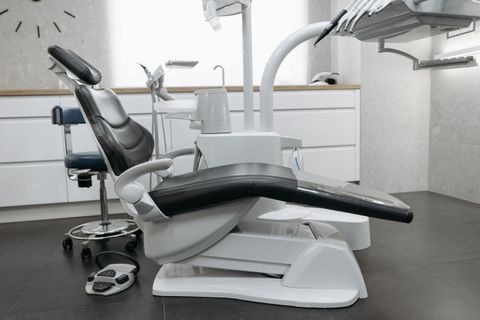
Dental chairs are among the most important pieces of equipment in modern dental clinics. They provide a stable, adjustable, and comfortable environment for patients while allowing dental professionals to perform examinations, preventive care, restorative procedures, and specialized treatments efficiently. Modern dental chairs are designed with advanced ergonomics, integrated technology, and digital connectivity to support both patient comfort and clinical workflow.

Over the years, dental chairs have evolved from manually adjustable seating systems into sophisticated treatment units equipped with programmable positioning, LED lighting, integrated delivery systems, digital imaging support, and infection control features. These innovations contribute to improved accessibility, enhanced workflow, and a better overall patient experience.
This guide explains dental chairs, their types, major components, ergonomic features, integrated technologies, maintenance practices, and emerging trends from an educational perspective. It does not provide medical, dental, engineering, purchasing, or professional healthcare advice.
A dental chair is a specialized medical chair designed to position patients comfortably while providing dentists and clinical staff with convenient access to the oral cavity during examinations and dental procedures.
Modern dental chairs often form part of a complete treatment unit that includes:
These integrated systems help support efficient clinical operations.
Dental chairs contribute to both patient care and clinical efficiency.
Their general purposes include:
Appropriate chair positioning depends on the specific procedure and clinical requirements.
Different dental practices may use different chair configurations.
These chairs are commonly used for routine examinations, preventive care, restorative procedures, and patient consultations.
Designed for procedures that require enhanced stability and greater positioning flexibility.
Built with child-friendly designs, adjustable features, and smaller dimensions to improve comfort for younger patients.
Configured to support orthodontic evaluations, adjustments, and longer treatment sessions.
Certain specialty clinics use chairs designed for oral surgery, implant dentistry, endodontics, or prosthodontics.
A modern dental chair system generally includes:
These components work together to support clinical procedures and patient positioning.
Patient positioning is one of the primary functions of a dental chair.
Common adjustments include:
Programmable memory settings are available on many modern systems.
Ergonomics plays an important role in reducing physical strain during dental procedures.
Key ergonomic features include:
Good ergonomic design benefits both patients and dental professionals.
Modern dental chairs often prioritize patient comfort.
Common features include:
Patient comfort may contribute to a more positive treatment experience.
Many treatment units include built-in delivery systems.
These may support:
Integrated layouts help improve workflow efficiency.
Proper illumination is essential during dental procedures.
Modern operating lights may provide:
Lighting quality supports visibility during treatment.
Digital technologies are increasingly incorporated into dental chairs.
Examples include:
Digital systems help streamline clinical operations.
AI is gradually becoming part of modern dental technology.
Applications may include:
AI complements clinical workflows but does not replace professional dental judgment.
Dental equipment is designed with hygiene in mind.
Common infection control features include:
Healthcare facilities follow established infection prevention protocols.
Routine maintenance helps support reliable operation.
Typical maintenance includes:
Maintenance procedures should follow manufacturer recommendations.
Safe operation involves:
Regular inspections help maintain equipment reliability.
Dental practices often evaluate several factors when selecting equipment.
These may include:
Selection requirements vary according to clinic needs.
Dental equipment continues evolving through technological innovation.
Current developments include:
These technologies continue supporting efficient and patient-centered dental care.
A dental chair is a specialized treatment chair that positions patients comfortably while providing dental professionals with access to perform examinations and dental procedures.
Ergonomic features help improve operator comfort, reduce physical strain, support better working posture, and enhance patient positioning during treatment.
Many systems include dental handpieces, suction devices, operating lights, instrument trays, assistant controls, foot pedals, and digital control panels.
Features such as adjustable positioning, supportive cushioning, quiet movement, ergonomic headrests, and smooth reclining mechanisms contribute to a more comfortable experience.
AI may assist with workflow optimization, imaging support, appointment scheduling, documentation, and predictive equipment maintenance while supporting—not replacing—clinical decision-making.
Dental chairs are central to modern dental practice, providing a combination of patient comfort, ergonomic support, integrated technology, and clinical efficiency. Their adjustable positioning, advanced delivery systems, digital controls, and infection control features help create an organized treatment environment for a wide range of dental procedures.
As artificial intelligence, digital dentistry, smart connectivity, and ergonomic innovations continue to develop, dental chairs are expected to become even more intelligent, connected, and patient-focused, supporting high-quality dental care and efficient clinical workflows.
This article is intended solely for informational and educational purposes. It does not provide medical, dental, engineering, purchasing, regulatory, or professional healthcare advice. It does not endorse, recommend, compare, rank, review, market, or promote any dental chair manufacturer, dental equipment supplier, software platform, clinic, or healthcare provider. Equipment specifications, features, regulatory approvals, maintenance requirements, and clinical applications vary by manufacturer, model, country, and intended use. Readers should consult official equipment documentation and qualified dental professionals before selecting, operating, or implementing dental equipment.
We create purposeful content that speaks, resonates, and drives action.
July 23, 2026 . 8 min read
By: Ravi Shankar Maurya
Updated: July 23, 2026
Read More
By: Ravi Shankar Maurya
Updated: July 23, 2026
Read More