Jewellery Ring Explained: Types, Designs, Materials, Styles & Buying Insights
A jewellery ring is one of the most recognizable forms of personal adornment. Rings can represent fashion, tradition, relationships, milestones, cultural identity or individual style. Their designs range from simple bands to elaborate pieces featuring gemstones, intricate patterns and multiple materials.
Understanding how rings differ can make it easier to recognize their design characteristics, material choices, gemstone settings and appropriate occasions. This guide explains the major types of jewellery rings, common materials, design styles, gemstone options, ring settings, sizing considerations, maintenance practices and important factors to understand before selecting a ring.
What Is a Jewellery Ring?
A jewellery ring is a circular decorative accessory designed to be worn around a finger. Traditional rings are usually constructed from metals, although contemporary designs may incorporate ceramic, wood, enamel, glass, leather or other materials.
A ring generally consists of several design elements:
- Band: The circular structure that fits around the finger
- Setting: The structure that holds a gemstone or decorative element
- Gemstone: A natural or laboratory-created stone used as a focal feature
- Shoulders: The sections connecting the band to the central setting
- Shank: The main portion of the ring's band
- Gallery: The area beneath a raised gemstone setting
Not every ring contains a gemstone. Plain metal bands, engraved rings and sculptural designs can be entirely decorative without stones.
Why Jewellery Ring Design Matters
Ring design influences appearance, comfort, durability and the overall visual character of a piece.
Different designs can create very different impressions:
- Minimal designs can appear subtle and contemporary
- Wide bands can create a stronger visual presence
- Gemstone rings can emphasize color and sparkle
- Vintage-inspired designs can feature detailed ornamentation
- Geometric rings can create a modern architectural appearance
- Stackable rings can be combined into personalized arrangements
The design also determines how easily a ring fits into everyday activities and how much maintenance it may require.
Major Types of Jewellery Rings
Band Rings
Band rings have a relatively continuous design around the circumference.
They can be:
- Plain
- Textured
- Engraved
- Patterned
- Polished
- Brushed
- Hammered
Band rings are among the most versatile ring styles because they can be worn alone or combined with other rings.
Solitaire Rings
A solitaire ring generally features one central gemstone as the primary visual element.
The design places attention on:
- Stone shape
- Stone proportions
- Setting style
- Band design
- Overall symmetry
Solitaire designs are commonly associated with engagement jewellery but can also be created as general fashion pieces.
Halo Rings
A halo design places smaller stones around a central gemstone.
The surrounding stones create a frame that can make the central element appear more visually prominent.
Common variations include:
- Single halo
- Double halo
- Hidden halo
- Floral halo
- Geometric halo
Cluster Rings
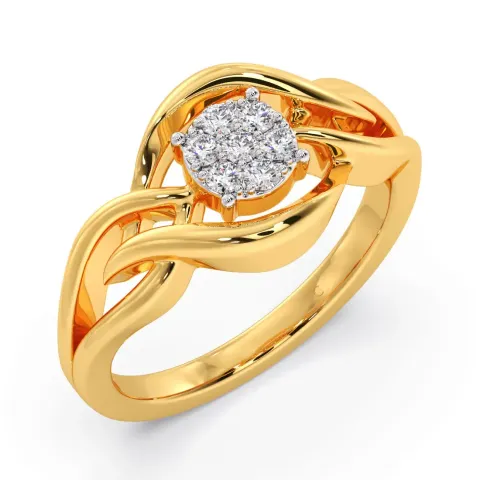
Cluster rings contain multiple gemstones grouped together to create a larger visual composition.
Instead of one central stone dominating the design, several stones work together to form a pattern.
Three-Stone Rings
Three-stone rings feature three prominent gemstones arranged across the top of the ring.
The stones can be:
- Similar in size
- Different in size
- Different in color
- Different in gemstone type
This format provides a balanced appearance while allowing designers to create variations in proportions and color.
Eternity Rings
Eternity-style rings feature gemstones arranged around a significant portion or the entire circumference of the band.
Common configurations include:
- Full eternity
- Half eternity
- Alternating stone patterns
- Continuous gemstone rows
The design can create strong visual continuity.
Cocktail Rings
Cocktail rings are typically characterized by large, colorful or visually prominent central elements.
They may include:
- Large gemstones
- Multiple stones
- Artistic metalwork
- Unusual shapes
- Bold color combinations
They are generally associated with statement styling rather than understated everyday jewellery.
Signet Rings
Signet rings traditionally feature a broad top surface that can contain:
- Initials
- Symbols
- Family emblems
- Engravings
- Decorative motifs
Modern signet designs can be minimalist or highly detailed.
Stackable Rings
Stackable rings are designed to be worn together.
Different combinations can create:
- Layered appearances
- Mixed-metal looks
- Alternating textures
- Gemstone patterns
- Minimalist combinations
Stacking allows the overall appearance to change without changing the individual rings.
Popular Ring Shapes
Ring design is not limited to the shape of the band. The gemstone's outline can also significantly influence the appearance.
Round
Round stones are highly versatile and can work with classic or contemporary settings.
Princess
The princess shape is typically square or rectangular with sharp corners and a geometric appearance.
Oval
Oval stones provide an elongated visual profile while maintaining curved edges.
Emerald Cut
The emerald cut uses a rectangular outline and step-cut facets that emphasize clarity and geometric reflections.
Cushion
Cushion-shaped stones combine a square or rectangular outline with rounded corners.
Pear
Pear-shaped stones combine a rounded end with a pointed tip.
Marquise
The marquise shape has elongated pointed ends and a distinctive symmetrical appearance.
Heart
Heart-shaped stones create a recognizable romantic form and can be used in both traditional and contemporary designs.
Ring Materials Explained
The material influences appearance, durability, weight, maintenance and overall character.
Yellow Gold
Yellow gold is traditionally associated with a warm metallic appearance.
Its color comes from the combination of gold with other metals in the alloy.
Common purity descriptions include:
- 24K
- 22K
- 18K
- 14K
- 10K
Higher-karat gold generally contains a greater proportion of gold, while lower-karat alloys contain more additional metals.
White Gold
White gold combines gold with other metals to create a lighter metallic appearance.
Many white-gold pieces receive a rhodium surface layer that gives them a bright white finish. This surface layer can gradually wear and may require periodic restoration depending on use.
Rose Gold
Rose gold contains a higher proportion of copper than traditional yellow-gold alloys, producing a warm pink or reddish tone.
It can complement:
- Pink gemstones
- White gemstones
- Warm-toned designs
- Vintage-inspired styles
Platinum
Platinum is a naturally white metal commonly used in fine jewellery.
Characteristics include:
- High density
- Natural white appearance
- Good durability
- Resistance to corrosion
- Distinctive weight
Silver
Silver is widely used in jewellery and has a bright, cool metallic appearance.
Sterling silver commonly contains 92.5% silver, with other metals added to improve strength.
Silver can tarnish over time because of chemical reactions with substances in the environment, but appropriate cleaning can help maintain its appearance.
Titanium
Titanium is lightweight and known for its strength.
It is sometimes used for contemporary rings and designs where low weight and a modern appearance are important.
Tungsten
Tungsten-based jewellery is recognized for its hardness and substantial weight.
Its appearance often suits modern and minimalist designs.
However, material properties differ from traditional precious metals, so ring sizing and replacement considerations should be understood before selecting this type of ring.
Gemstones Used in Jewellery Rings
Gemstones can completely change the character of a ring.
Diamond
Diamond is known for its hardness, brilliance and optical properties.
Important characteristics include:
- Cut
- Color
- Clarity
- Carat weight
These characteristics are commonly known as the 4Cs.
Sapphire
Sapphire is available in several colors, although blue is the most recognized.
It is valued for:
- Color variety
- Durability
- Transparency
- Distinctive appearance
Ruby
Ruby is the red variety of the mineral corundum.
Its color can range from pinkish-red to deeper red tones depending on composition and origin.
Emerald
Emerald is typically recognized by its green color.
Many emeralds contain natural internal characteristics, often called inclusions. These features can influence appearance and durability considerations.
Amethyst
Amethyst is a purple variety of quartz and is frequently used in colorful jewellery designs.
Topaz
Topaz occurs in several colors, including blue, yellow, pink and colorless varieties.
Aquamarine
Aquamarine is a blue to blue-green variety of beryl and is often associated with light, ocean-inspired colors.
Opal
Opal has a distinctive optical phenomenon called play-of-color in many varieties.
Its appearance can vary dramatically depending on the type and viewing angle.
Natural and Laboratory-Created Gemstones
Gemstones may originate from different sources.
Natural Gemstones
Natural gemstones form through geological processes and are extracted from the Earth.
Their characteristics can vary significantly based on:
- Geological origin
- Trace elements
- Formation conditions
- Treatments
- Inclusions
Laboratory-Created Gemstones
Laboratory-created gemstones are produced through controlled technological processes.
Some laboratory-created gemstones have essentially the same chemical composition and crystal structure as their natural counterparts, although their origin is different.
It is important to distinguish laboratory-created gemstones from imitation materials, which may only resemble a natural gemstone visually.
Common Ring Settings
The setting is the structure that holds a gemstone securely.
Prong Setting
Small metal claws hold the gemstone in place.
Advantages can include:
- Strong visual focus on the stone
- Good light exposure
- Classic appearance
Bezel Setting
A metal rim surrounds the gemstone.
This design can provide substantial protection around the stone's edges.
Channel Setting
Multiple gemstones are positioned within a continuous metal channel.
This creates a smooth surface with reduced exposure of individual stone edges.
Pavé Setting
Small stones are placed closely together across a metal surface, creating a continuous sparkling appearance.
Tension Setting
The gemstone appears to be held between two sides of the metal structure.
This creates a contemporary appearance, although precise engineering and compatibility with the gemstone are important.
Flush Setting
A gemstone is positioned within the metal surface so that it does not significantly rise above the band.
This style can work well for practical, understated designs.
Ring Styles by Aesthetic
Classic Style
Classic rings usually emphasize:
- Symmetry
- Balanced proportions
- Traditional shapes
- Timeless materials
Minimalist Style
Minimalist rings generally use:
- Clean lines
- Simple bands
- Limited decoration
- Small or no gemstones
Vintage-Inspired Style
Vintage-inspired designs may feature:
- Milgrain details
- Engraving
- Filigree
- Decorative shoulders
- Intricate gemstone arrangements
Contemporary Style
Contemporary rings can include:
- Asymmetrical forms
- Geometric structures
- Mixed metals
- Sculptural designs
- Unusual gemstone placements
Nature-Inspired Style
Nature-inspired rings may use motifs such as:
- Leaves
- Flowers
- Vines
- Branches
- Organic curves
Understanding Ring Size
Ring size refers to the measurement used to determine how a ring fits around the finger.
Several factors can affect finger dimensions:
- Temperature
- Time of day
- Physical activity
- Humidity
- Swelling
- Finger shape
A ring should be comfortable enough to move slightly but should not easily slip over the knuckle.
Wide bands may feel tighter than narrow bands of the same nominal size because they cover more of the finger.
Ring Comfort and Everyday Wear
A visually attractive ring should also be practical for its intended use.
Consider:
- Band width
- Ring height
- Edge shape
- Gemstone position
- Setting protection
- Overall weight
- Interaction with adjacent fingers
Low-profile settings can be convenient for frequent daily activities, while tall gemstone settings may require more awareness during physical tasks.
Ring Maintenance and Care
Different materials and gemstones require different care approaches.
General Care Practices
- Keep rings away from harsh chemicals
- Remove jewellery when performing strenuous physical activities
- Avoid unnecessary impact
- Store pieces separately to reduce scratching
- Inspect gemstone settings periodically
- Clean according to the material's requirements
Gold and Platinum
These metals can generally be cleaned with appropriate jewellery-cleaning methods, but abrasive materials should be avoided.
Silver
Silver can develop tarnish over time. Proper storage and suitable polishing methods can help maintain its appearance.
Gemstones
Not every gemstone responds well to heat, ultrasonic cleaning or chemical exposure. Professional guidance may be appropriate for delicate or treated stones.
Jewellery Ring Selection Insights
When evaluating a ring, consider the complete combination rather than focusing on a single feature.
1. Purpose
Determine whether the ring is intended for:
- Everyday wear
- Formal occasions
- Ceremonies
- Fashion styling
- Personal symbolism
- Collection purposes
2. Design
Consider whether the style matches existing jewellery and personal preferences.
3. Material
Compare characteristics such as:
- Appearance
- Durability
- Weight
- Maintenance
- Allergic considerations
4. Gemstone
If a gemstone is included, consider:
- Type
- Color
- Cut
- Clarity
- Durability
- Treatment
- Origin information where available
5. Setting
The setting influences both appearance and protection.
6. Comfort
A ring that looks impressive but feels uncomfortable may not be suitable for frequent wear.
7. Documentation
For significant jewellery pieces, documentation can provide useful information about:
- Metal purity
- Gemstone identity
- Treatments
- Grading
- Authenticity
- Origin claims where applicable
Independent laboratory reports can be useful for understanding the characteristics of certain gemstones, particularly diamonds.
Jewellery Ring Trends
Ring styles evolve with changes in fashion, technology and cultural preferences.
Current design directions include:
Mixed Metals
Combining yellow, white and rose-toned metals can create visual contrast.
Personalization
Engraving and customized shapes allow rings to carry individual meaning.
Colored Gemstones
Colored stones provide alternatives to traditional colorless gemstone designs.
Sculptural Rings
Three-dimensional and artistic bands are increasingly relevant to contemporary jewellery aesthetics.
Stackable Designs
Multiple slim rings can be combined to create different visual arrangements.
Vintage Revival
Historical motifs continue to influence contemporary ring design.
Responsible Material Awareness
Consumers are increasingly interested in understanding the origin, composition and production practices associated with jewellery materials.
Jewellery Hallmarks and Identification
Hallmarks can provide useful information about the composition and origin of certain jewellery pieces.
Depending on the country and regulatory framework, markings may indicate:
- Metal purity
- Manufacturer or sponsor
- Assay information
- Certification details
A hallmark should not be interpreted in isolation. Professional testing and recognized documentation may provide additional information when authenticity or composition needs to be verified.
Common Ring Mistakes to Avoid
Choosing Appearance Over Comfort
A ring should suit both visual preferences and practical use.
Ignoring Finger Shape
Different band widths and gemstone shapes can produce different visual proportions on different fingers.
Selecting a Fragile Setting for Heavy Daily Use
Some elaborate settings may require more care than low-profile designs.
Neglecting Maintenance
Even durable materials require appropriate cleaning and inspection.
Assuming All Gemstones Have the Same Durability
Different gemstones have different hardness, toughness and sensitivity characteristics.
Ignoring Documentation
For valuable or significant pieces, reliable documentation can help establish important characteristics.
Quick Jewellery Ring Checklist
Before selecting a ring, consider:
- Ring purpose
- Preferred design
- Finger size
- Band width
- Material
- Gemstone
- Setting
- Comfort
- Durability
- Maintenance requirements
- Documentation
- Personal style
- Intended frequency of use
FAQs
What are the main types of jewellery rings?
Common types include band rings, solitaire rings, halo rings, cluster rings, three-stone rings, eternity rings, cocktail rings, signet rings and stackable rings.
Which metals are commonly used for jewellery rings?
Common materials include yellow gold, white gold, rose gold, platinum, silver, titanium and tungsten-based materials. Each has different characteristics related to appearance, weight, durability and maintenance.
What are the 4Cs of a diamond?
The 4Cs are cut, color, clarity and carat weight. They provide a standardized framework for describing important diamond characteristics.
Which ring setting provides strong gemstone protection?
Bezel settings surround the gemstone with metal and can provide substantial protection around the stone's edges. However, the appropriate setting depends on the gemstone, design and intended use.
How should jewellery rings be maintained?
Keep rings away from harsh chemicals and unnecessary impact, store them separately, clean them using methods appropriate to their materials and inspect gemstone settings periodically.
Conclusion
Jewellery rings combine material science, craftsmanship, design and personal expression in a remarkably compact form. From simple bands and minimalist rings to gemstone-centered designs and elaborate vintage-inspired pieces, there is an extensive range of styles and construction methods.
Understanding metals, gemstones, settings, ring shapes and sizing can make jewellery selection more informed. Material characteristics are particularly important because durability, maintenance and appearance vary considerably between metals and gemstones.
A well-considered ring is not defined only by its visual appearance. Comfort, intended use, construction quality, material characteristics, gemstone properties and documentation can all contribute to a better understanding of the piece.
Whether the preference is classic, contemporary, minimalist, vintage-inspired or nature-inspired, learning the fundamentals of jewellery ring design provides a useful foundation for appreciating different styles and making informed decisions.
Disclaimer
This article is intended for general educational and informational purposes only. Jewellery materials, gemstone characteristics, hallmarking requirements, grading practices and identification methods can vary by country, manufacturer and individual piece. Readers should consult qualified jewellery professionals, recognized gemological laboratories or relevant authorities when specific authentication, valuation, grading or technical assessment is required. This content is not financial, legal, valuation or professional jewellery advice and is not intended for brand promotion or sales purposes.

Related Post...

How to Choose Men’s Perfume: Fragrance Notes, Scent Families, Occasion & Personal Style Guide
Updated: August 12, 2026
Read More
Men’s Perfume Knowledge Hub: Fragrance Notes, Styles & Selection Tips
Updated: August 12, 2026
Read More