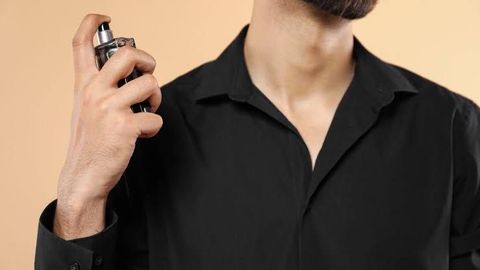
Men’s Perfume Knowledge Hub: Fragrance Notes, Styles & Selection Tips
Men’s perfume is an important part of personal grooming and fragrance culture. Modern perfumery includes a wide range of scent profiles, ingredients, concentrations, and fragrance styles designed for different preferences and occasions.
Understanding how perfumes are structured can make fragrance selection easier. Rather than choosing a fragrance only because of its initial smell, it can be useful to understand its top, heart, and base notes, identify its dominant scent family, and consider factors such as season, occasion, concentration, projection, and personal style.
This knowledge hub provides a general introduction to men's perfume and the terminology commonly used when exploring fragrances.
1. Context: Understanding Men’s Perfume
Perfume is a mixture of aromatic materials combined with a carrier, traditionally alcohol-based in many formulations. Modern fragrances may contain natural materials, synthetic aroma compounds, or combinations of both.
A fragrance can change considerably after application because different ingredients evaporate at different rates.
The fragrance experience is commonly described through three stages:
- Top notes
- Heart notes
- Base notes
Together, these stages create the overall development of a perfume.
2. Importance: Why Fragrance Knowledge Matters
Understanding fragrance terminology can help people make more informed choices.
It can help with:
- Identifying preferred scent profiles
- Comparing different fragrance families
- Understanding perfume descriptions
- Selecting fragrances for different occasions
- Understanding concentration differences
- Evaluating fragrance longevity
- Recognizing how scents develop over time
- Building a versatile fragrance collection
Fragrance is highly subjective, so there is no universal perfume that is ideal for every person.
3. Fragrance Notes Explained
Top Notes
Top notes are generally the first aromas noticed after applying a fragrance.
Common examples include:
- Bergamot
- Lemon
- Orange
- Grapefruit
- Mint
- Lavender
- Ginger
Top notes often create the initial impression and may be relatively short-lived compared with deeper fragrance components.
Heart Notes
Heart notes become more noticeable as the top notes begin to fade.
Common examples include:
- Geranium
- Cardamom
- Jasmine
- Rose
- Cinnamon
- Clary sage
- Violet
Heart notes form much of the central character of a fragrance.
Base Notes
Base notes generally become more prominent during the later stages of fragrance development.
Examples include:
- Sandalwood
- Cedarwood
- Vetiver
- Patchouli
- Amber
- Musk
- Vanilla
- Tonka bean
Base notes can contribute depth, warmth, and persistence.
4. Men’s Fragrance Scent Families
Scent families provide a useful way to categorize fragrances according to their dominant characteristics.
Common fragrance families include:
- Fresh
- Citrus
- Woody
- Aromatic
- Aquatic
- Spicy
- Amber
- Leather
- Green
- Gourmand
A fragrance may belong to or combine characteristics from multiple families.
Fresh Fragrances
Fresh fragrances generally create clean, bright, or energetic impressions.
They may contain:
- Citrus
- Mint
- Green notes
- Light woods
- Fresh aromatic materials
Fresh profiles are often explored for daytime and warm-weather settings.
Citrus Fragrances
Citrus fragrances commonly use ingredients such as:
- Lemon
- Bergamot
- Mandarin
- Orange
- Grapefruit
- Lime
They are often associated with bright and refreshing openings.
Woody Fragrances
Woody fragrances commonly feature:
- Cedarwood
- Sandalwood
- Vetiver
- Patchouli
- Guaiac wood
Woody compositions can range from dry and fresh to warm and rich.
Aromatic Fragrances
Aromatic fragrances often use herbs and botanical ingredients.
Examples include:
- Lavender
- Sage
- Rosemary
- Basil
- Mint
These fragrances may overlap with fresh, woody, or spicy categories.
Aquatic Fragrances
Aquatic fragrances are generally associated with clean, airy, marine-inspired impressions.
They may combine:
- Marine accords
- Citrus
- Green notes
- Light woods
Spicy Fragrances
Spicy compositions can contain:
- Cardamom
- Cinnamon
- Pepper
- Ginger
- Nutmeg
- Clove
Spicy fragrances can be fresh and subtle or warm and intense.
Amber Fragrances
Amber-style fragrances often combine warm and rich materials.
Common components can include:
- Vanilla
- Resinous materials
- Tonka bean
- Woods
- Spices
- Musk
Leather Fragrances
Leather fragrances can create deeper and more distinctive scent profiles.
They may combine leather accords with:
- Woods
- Smoke
- Spices
- Amber
- Aromatic materials
5. Perfume Concentration Explained
Fragrances are available in different concentration categories.
Eau Fraîche
Generally represents a lighter fragrance format with relatively low aromatic concentration.
Eau de Cologne
Traditionally associated with a lighter fragrance concentration.
Eau de Toilette
Often provides a lighter-to-moderate fragrance experience and is widely used for everyday fragrance.
Eau de Parfum
Generally contains a higher concentration of aromatic materials than eau de toilette, although actual formulations differ.
Parfum
Usually represents one of the more concentrated fragrance formats.
Concentration does not automatically determine quality or exact longevity. Formula composition, ingredients, skin chemistry, temperature, humidity, and application can also affect performance.
6. Fragrance Longevity Explained
Longevity describes how long a fragrance remains detectable after application.
Several factors influence longevity:
- Fragrance formulation
- Concentration
- Ingredients
- Skin chemistry
- Temperature
- Humidity
- Application area
- Skin moisture
A fragrance with high concentration does not necessarily last longer on every individual.
7. Projection and Sillage
Projection
Projection describes how far the fragrance can be perceived around the wearer.
A fragrance with strong projection may be noticeable from a greater distance, especially during its early development.
Sillage
Sillage refers to the scent trail that remains as a person moves through an environment.
Projection and sillage are related but describe different aspects of fragrance performance.
8. Men’s Perfume Styles
Different fragrance styles can suit different personal preferences.
Classic Style
Classic fragrance profiles may include:
- Aromatic notes
- Citrus
- Woods
- Traditional fougère characteristics
Modern Style
Modern compositions can include:
- Contemporary woods
- Aquatic accords
- Amber
- Fresh aromatics
- Unusual ingredient combinations
Minimalist Style
Minimalist fragrances are often built around clean and relatively straightforward scent profiles.
Bold Style
Bold compositions may emphasize:
- Spices
- Leather
- Amber
- Woods
- Rich aromatic materials
Personal fragrance style remains subjective and can change over time.
9. Choosing Perfume for Different Occasions
Everyday Wear
Fresh, citrus, aromatic, and moderately woody fragrances can provide versatile options for everyday environments.
Office and Professional Settings
Consider relatively controlled fragrances featuring:
- Fresh notes
- Light woods
- Aromatic ingredients
- Mild citrus
Strong projection may be less appropriate in enclosed workplaces.
Casual Events
Casual environments provide greater flexibility.
Fresh, aquatic, citrus, woody, and aromatic profiles can all work depending on personal preference.
Evening Occasions
Evening settings may suit richer compositions featuring:
- Amber
- Vanilla
- Woods
- Spices
- Leather
Formal Events
For formal environments, refined woody, aromatic, amber, or leather profiles may complement more structured attire.
10. Choosing Perfume by Season
Spring
Spring can be suitable for:
- Green notes
- Citrus
- Florals
- Fresh aromatics
- Light woods
Summer
Warm weather often works well with:
- Citrus
- Aquatic accords
- Mint
- Green notes
- Light aromatic compositions
Autumn
Cooler temperatures can complement:
- Woods
- Spices
- Amber
- Aromatic fragrances
Winter
Cold conditions can make richer profiles comfortable to explore, including:
- Vanilla
- Amber
- Woods
- Leather
- Warm spices
These are general guidelines rather than strict rules.
11. Personal Style and Fragrance Selection
Perfume can complement clothing and personal presentation.
Minimalist Wardrobe
Clean, fresh, or subtle woody fragrances can complement simple clothing styles.
Business Style
Aromatic, citrus, or refined woody fragrances can create a relatively controlled fragrance profile.
Casual Style
Fresh, aquatic, citrus, and modern woody fragrances can provide versatile options.
Formal Style
Woody, amber, spicy, and leather compositions may complement formal environments.
The most important factor remains personal comfort with the fragrance.
12. How Skin Chemistry Affects Perfume
A perfume can smell different on different people.
Factors include:
- Skin moisture
- Natural skin chemistry
- Body temperature
- Humidity
- Skincare products
- Application method
For this reason, testing a fragrance directly on the skin can provide more useful information than relying entirely on a paper test strip.
13. How to Test a New Perfume
A structured testing approach can help identify how a fragrance develops.
Step 1: Smell the Opening
Observe the fragrance immediately after application.
Step 2: Wait for Development
Allow time for the top notes to fade and the heart notes to emerge.
Step 3: Evaluate the Dry-Down
Observe how the fragrance smells after several hours.
Step 4: Consider Longevity
Notice how long the fragrance remains detectable.
Step 5: Evaluate the Environment
Consider whether the fragrance feels appropriate for your intended setting.
Testing a smaller number of fragrances at once can make comparisons easier.
14. Understanding Perfume Ingredients
Fragrance formulas can contain a combination of natural and synthetic aromatic materials.
Natural Materials
These can include materials derived from:
- Flowers
- Fruits
- Leaves
- Woods
- Seeds
- Resins
- Spices
Synthetic Materials
Synthetic aroma compounds can provide:
- Consistency
- Stability
- Specific scent characteristics
- Reproducibility
- Access to particular olfactory effects
Modern perfumery commonly uses both natural and synthetic materials.
15. Common Men’s Perfume Ingredients
Citrus Ingredients
- Lemon
- Bergamot
- Orange
- Grapefruit
- Mandarin
Floral Ingredients
- Lavender
- Geranium
- Jasmine
- Rose
- Violet
Woody Ingredients
- Cedarwood
- Sandalwood
- Vetiver
- Patchouli
Spicy Ingredients
- Cardamom
- Cinnamon
- Pepper
- Ginger
- Nutmeg
Sweet and Warm Ingredients
- Vanilla
- Tonka bean
- Amber-style materials
- Balsamic materials
16. Perfume Application Tips
Common application areas include:
- Neck
- Wrists
- Chest
- Behind the ears
A fragrance should generally be applied according to the product's instructions.
Avoid excessive application, especially in enclosed spaces.
Rubbing the wrists together immediately after application is also generally unnecessary because it can alter the initial development of the fragrance on the skin.
17. How Much Perfume Should You Apply?
There is no universal number of sprays that works for every fragrance.
Consider:
- Concentration
- Projection
- Environment
- Weather
- Personal preference
- Sensitivity of people nearby
A restrained application can be particularly appropriate for offices, public transportation, classrooms, and other shared environments.
18. Building a Versatile Men’s Fragrance Collection
A small collection can cover different situations without requiring many fragrances.
For example:
- Everyday: Fresh or citrus
- Office: Aromatic or light woody
- Summer: Aquatic or fresh
- Evening: Amber, spicy, or woody
- Formal: Refined woody or leather
- Winter: Vanilla, amber, or warm spice
This approach allows different fragrance profiles to be matched with different environments.
19. Common Mistakes When Selecting Perfume
Choosing Only by the Opening
A fragrance can change considerably during its development.
Testing Too Many Fragrances
Smelling many fragrances simultaneously can make it difficult to distinguish individual profiles.
Ignoring the Occasion
A fragrance suitable for an evening environment may not be appropriate for a small office.
Applying Too Much
Higher application does not necessarily improve the fragrance experience.
Following Trends Blindly
Popular fragrances may not match individual preferences.
Ignoring Skin Chemistry
A fragrance can develop differently on different skin.
20. Fragrance Vocabulary Every Beginner Should Know
Accord
A combination of several fragrance materials that creates a particular scent impression.
Dry-Down
The later stage of fragrance development after the initial notes have faded.
Projection
The distance from which a fragrance can generally be perceived.
Sillage
The scent trail left by a fragrance as someone moves.
Longevity
How long a fragrance remains detectable.
Note
An individual aromatic impression or ingredient commonly described as part of a fragrance composition.
Fragrance Family
A broad classification based on dominant scent characteristics.
21. Tools and Resources for Fragrance Research
People exploring men's perfumes can use several resources to learn more about fragrance.
Useful resources include:
- Fragrance dictionaries
- Ingredient glossaries
- Brand-provided fragrance descriptions
- Perfume community databases
- Fragrance reviews
- Retail fragrance counters
- Product ingredient information
- Professional perfumery references
When comparing fragrances, it is useful to consider multiple descriptions rather than relying on a single review.
22. Recent Trends in Men’s Fragrance
Modern men's fragrance culture is becoming increasingly diverse.
Notable trends include:
- Greater interest in niche fragrance profiles
- Gender-neutral fragrance marketing
- Fresh and woody combinations
- Modern amber compositions
- Sustainable ingredient discussions
- Interest in natural and synthetic materials
- Personalized fragrance preferences
- Greater online fragrance education
The traditional distinction between men's and women's fragrance is also becoming less rigid, with many fragrances being presented as suitable for anyone based on personal preference.
23. FAQs
What are the main fragrance notes in men's perfume?
The main note categories are top, heart, and base notes. Top notes create the initial impression, heart notes form the central character, and base notes contribute depth and later-stage persistence.
Which fragrance family is best for men?
There is no single best family. Fresh, citrus, woody, aromatic, aquatic, spicy, amber, and leather fragrances can all be suitable depending on personal preference and occasion.
What is the difference between EDT and EDP?
Eau de Toilette and Eau de Parfum generally differ in fragrance concentration, with EDP commonly containing a higher concentration of aromatic materials. Exact formulations vary between fragrances.
How can I make perfume last longer?
Longevity depends on formulation, ingredients, skin chemistry, environment, and application. Applying fragrance according to the product's instructions to suitable skin areas and storing it properly can help preserve the intended fragrance characteristics.
Should perfume be selected according to season?
Season can be one useful consideration. Fresh and citrus profiles are often explored during warmer conditions, while woody, spicy, amber, and richer profiles may be preferred in cooler weather.
24. Conclusion
Men’s perfume combines fragrance notes, scent families, aromatic materials, concentration, personal style, and environmental factors into a highly individual experience.
Understanding top, heart, and base notes provides a foundation for learning how fragrances develop. Exploring scent families such as fresh, citrus, woody, aromatic, aquatic, spicy, amber, and leather can then make it easier to identify preferred profiles.
Occasion, season, concentration, projection, and personal style can also influence fragrance selection. Testing perfumes on skin and allowing them to develop through their dry-down provides a more complete impression than evaluating only the initial opening.
The goal of fragrance exploration is not to follow a universal formula but to understand different scent characteristics and identify profiles that feel appropriate, comfortable, and enjoyable for individual preferences.
Disclaimer
This article is intended solely for general informational and educational purposes. It does not endorse, recommend, rank, review, market, or promote any specific perfume, fragrance brand, manufacturer, retailer, or product. Fragrance performance and personal preferences are subjective and can vary according to formulation, ingredients, skin chemistry, environment, application method, and individual perception. Readers should review product labels and ingredient information and follow applicable usage instructions, particularly when they have known sensitivities or allergies.

Related Post...
Jewellery Ring Explained: Types, Designs, Materials, Styles & Buying Insights
Updated: September 15, 2026
Read More